3D Layered Magic Book Nook Laser Cut: A Comprehensive Evaluation
The intersection of literature, interior design, and digital fabrication has given rise to a unique category of creative assets known as diorama kits. Among these, the 3D Layered Magic Book Nook Laser Cut has gained significant attention among crafters, designers, and hobbyists. This product represents a shift from traditional physical model kits to digital vector files that empower users to create intricate, multi-dimensional scenes using their own materials and cutting technology.
Understanding what this digital asset entails, its practical applications, and the tradeoffs involved is essential for anyone considering adding it to their workflow. This evaluation explores the nature of the 3D Layered Magic Book Nook Laser Cut files, helping readers determine if this resource aligns with their creative goals and technical capabilities.
Defining the Product: Digital Assets vs. Physical Kits
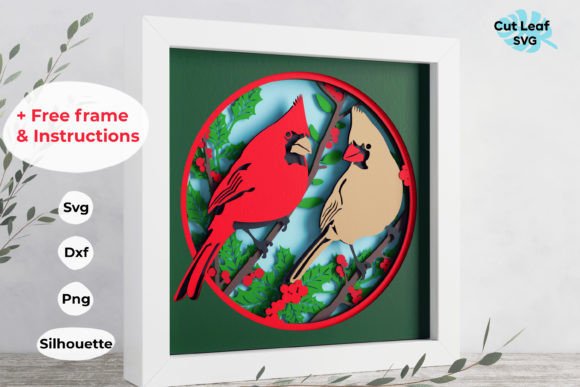
It is crucial to distinguish between a pre-assembled model kit and a digital design file. The 3D Layered Magic Book Nook Laser Cut is strictly a digital product. Upon purchase, the buyer receives a zip folder containing designs in various file formats, including SVG, DXF, EPS, PDF, JPG, and PNG. These files are not the physical book nook itself; rather, they are the blueprints required to manufacture one.
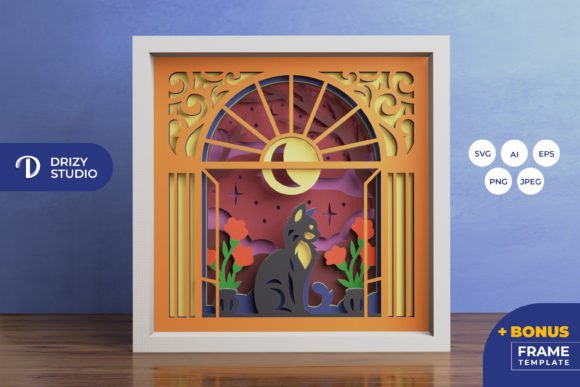
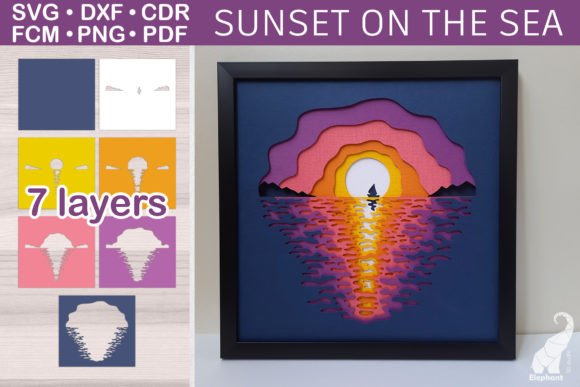
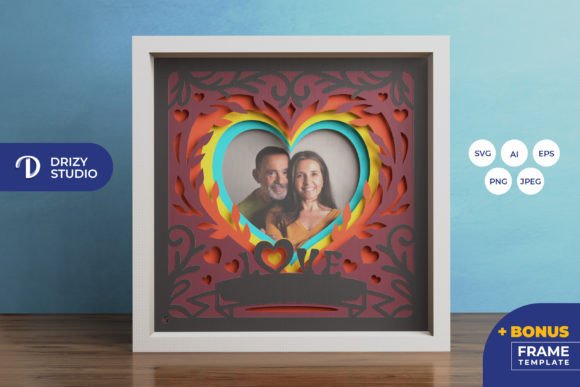
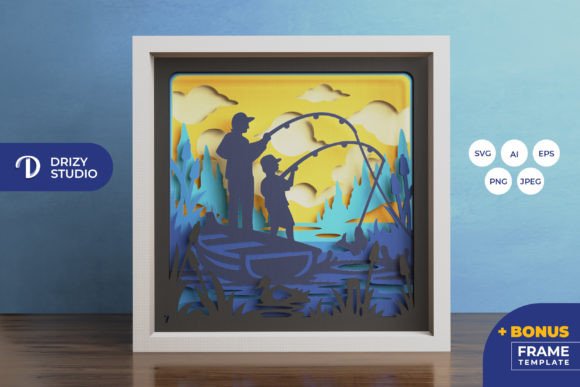
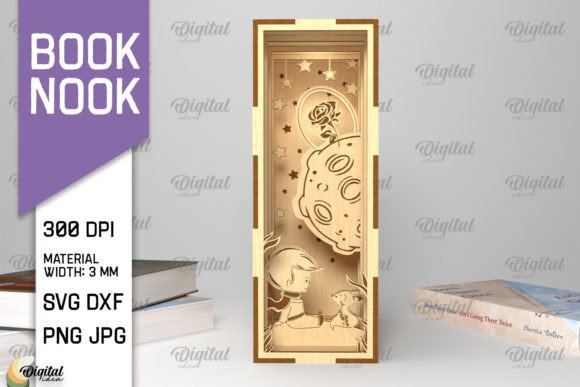
This distinction fundamentally changes the user experience. Instead of waiting for shipping or dealing with fragile, pre-cut cardboard pieces, the user takes control of the entire production process. The "magic" lies in the layering effect created by stacking cut materials at varying depths to simulate perspective and depth within a small frame, such as the side of an open book.
Technical Specifications and Compatibility
The versatility of the 3D Layered Magic Book Nook Laser Cut files stems largely from the variety of formats provided. Each format serves a specific purpose depending on the user’s equipment:
- SVG (Scalable Vector Graphics): Ideal for modern laser cutters and vinyl cutters. SVG files allow for easy scaling without loss of quality, making them suitable for both small decorative items and larger installations.
- DXF (Drawing Exchange Format): A standard format for CAD software. Users who prefer engineering-focused software like AutoCAD or Inkscape often find DXF files easier to manipulate for precise measurements.
- EPS (Encapsulated PostScript): Widely supported by professional design software such as Adobe Illustrator. This format preserves vector data and is excellent for high-precision commercial printing or large-scale cutting.
- PDF, JPG, and PNG: These raster or document-based formats serve as reference guides or templates for manual cutting. They are useful for users who do not have access to laser cutters but wish to cut the shapes by hand using scissors or craft knives.
By providing this range of formats, the product ensures compatibility with a wide spectrum of tools, from industrial-grade CO2 lasers to desktop Cricut machines and even manual crafting setups.
Applications and Use Cases
The primary application of the 3D Layered Magic Book Nook Laser Cut design is home decor. The resulting diorama typically fits into the spine area of an open hardcover book, creating a whimsical scene that appears to emerge from the pages. However, the utility extends far beyond simple decoration.
Interior Design and Storytelling
Book nooks serve as conversation starters and visual anchors in libraries, reading nooks, and cafes. They allow creators to tell stories through miniature landscapes, whether fantasy forests, cozy cottages, or futuristic cityscapes. The layered aspect adds realism, mimicking the way human vision perceives depth.
Commercial and Small Business Opportunities
Entrepreneurs can utilize these digital files to produce physical goods for sale. Because the source files are digital, there is no need to hold inventory of pre-made kits. Instead, sellers can print or cut orders on demand. This model reduces overhead and allows for customization based on customer preferences regarding material color or size.
Cross-Media Design Integration
While marketed for home decor, the vector nature of the files allows for adaptation into other mediums. Designers have used similar layered concepts for:
- Stationery: Creating pop-up cards or layered invitations.
- Textile and Fashion: Using the patterns as prints for fabric or structural elements in avant-garde clothing designs.
- Packaging: Developing eye-catching retail boxes with die-cut layers that reveal product details.
Evaluating Benefits and Tradeoffs
When deciding whether to invest in the 3D Layered Magic Book Nook Laser Cut files, it is important to weigh the advantages against potential challenges.
Benefits
Customization: Unlike fixed-size physical kits, digital files can be scaled to fit any book size. Users can also modify colors, add personal touches, or combine different layers to create unique variations.
Cost Efficiency: For frequent makers, buying digital files once is more economical than purchasing multiple physical kits. Additionally, users can choose cost-effective materials, such as foam board, cardstock, or acrylic, depending on the desired finish.
Immediate Access: As a digital download, there is no shipping delay. Users can begin their project immediately after purchase.
Tradeoffs and Considerations
Equipment Dependency: To achieve the best results, users typically need access to a laser cutter or a precision cutting machine. Manual cutting requires significant time and skill to ensure clean edges, which are critical for the layered effect.
Material Selection: The final look depends heavily on the material chosen. Thin paper may lack durability, while thick wood may require powerful lasers. Users must experiment to find the right balance between structural integrity and ease of cutting.
Assembly Complexity: While the files provide the shapes, they do not include assembly instructions in the same way a physical kit might. Understanding how layers stack to create depth requires spatial reasoning and experimentation.
Situational Fit: Who Should Buy?
The 3D Layered Magic Book Nook Laser Cut is a strong fit for:
- Laser Cutter Owners: Individuals with Silhouette, Cricut, Glowforge, or industrial lasers who are looking for new projects to expand their portfolio.
- Digital Designers: Professionals seeking vector assets for client projects involving packaging or print design.
- Hobbyist Crafters: Those who enjoy the process of building models from scratch and value the ability to customize every aspect of their creation.
Conversely, alternatives may be worth considering for:
- Beginners Without Tools: If a user lacks cutting equipment and is unwilling to acquire it, a pre-assembled physical kit would be a more suitable starting point.
- Users Seeking Simplicity: Those who want a finished product immediately without engaging in the manufacturing process should look for ready-made decor items rather than digital files.
Conclusion
The 3D Layered Magic Book Nook Laser Cut offers a versatile and scalable solution for creators interested in layered art and dioramas. By providing high-quality vector files in multiple formats, it caters to a broad audience ranging from casual hobbyists to commercial designers. While it requires access to appropriate cutting tools and a willingness to learn assembly techniques, the benefits of customization, cost savings, and creative freedom make it a valuable asset for those aligned with its requirements. Prospective buyers should assess their current equipment and skill level before purchasing, ensuring they are prepared to bring the digital designs to life.