Bear Paw 3D Shadow Box Paper Cut
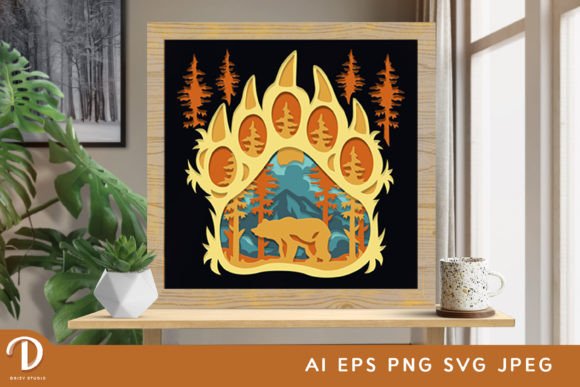
In the landscape of modern creative production, the distinction between a simple craft project and a strategic design asset often lies in execution and intent. The Bear Paw 3D Shadow Box Paper Cut is not merely a decorative template; it is a sophisticated example of layered paper artistry that demands precision, planning, and an understanding of spatial depth. For entrepreneurs, creators, and small business owners looking to differentiate their offerings or enhance their visual communication, this specific design—featuring the intricate details of a mountain bear landscape within a paw print silhouette—offers a compelling opportunity to elevate brand presence through tangible, high-quality physical products.
This guide explores how to approach the Bear Paw 3D Shadow Box with a strategic mindset. We will examine its technical specifications, the operational considerations for production, and how thoughtful integration of this design can support broader goals in branding, customer experience, and product diversification. By moving beyond the superficial appeal of the artwork, decision-makers can leverage this asset to achieve better results in niche markets and specialized retail environments.
Understanding the Asset: Technical Specifications and Strategic Value
The core value of the Bear Paw 3D Shadow Box begins with its structural integrity and digital precision. This is a layered, square paper-cutting template designed to create a stunning three-dimensional presentation. The design captures the essence of a bear’s pawprint enclosing a mountain landscape, merging nature-inspired aesthetics with the mesmerizing depth characteristic of shadow box art. For professionals utilizing cutting machines such as Silhouette or Cricut, the inclusion of an SVG file is critical. It ensures that the design can be scaled without losing fidelity, provided the aspect ratio remains constant.
The comprehensive file package includes formats tailored for various stages of production:
- AI (714 x 714 px): Ideal for vector-based editing and professional graphic design workflows.
- EPS (714 x 714 px): Ensures compatibility across different design software suites, maintaining clean lines for precise cutting.
- PNG & SVG (714 x 714 px): Essential for direct upload to cutting machines, allowing for immediate fabrication.
- JPEG (3000 x 2000 px): Provides a high-resolution preview for marketing materials, social media teasers, and client approvals.
From a strategic perspective, having these multiple formats allows for flexibility in operations. A freelancer might use the SVG for rapid prototyping, while a small business owner preparing for an e-commerce launch can utilize the JPEG for listing images and the AI/EPS files for creating packaging inserts or complementary marketing collateral. The final assembled piece measures approximately 20.32 × 20.32 cm, a size that is substantial enough to command attention on a shelf or wall but compact enough to remain accessible in terms of material costs and shipping logistics.
Operational Considerations: From Digital File to Physical Product
Transitioning from a digital template to a finished physical product requires careful planning. The Bear Paw 3D Shadow Box consists of seven distinct layers. Each layer must be cut with precision and assembled in a specific sequence to achieve the intended depth and visual impact. While the SVG file facilitates automated cutting via Silhouette, Cricut, or similar devices, alternative methods using an art knife and scissors are viable for those without access to machinery. However, manual cutting introduces variability that must be managed to maintain quality control.
Assembly is the next critical phase. Glue or double-sided tape is required to secure the layers. The choice of adhesive can affect the longevity and aesthetic of the final piece. Double-sided tape may offer a cleaner look by hiding adhesive residue, while glue might provide stronger bonding for heavier cardstock. Decision-makers should consider testing prototypes before committing to bulk production. This iterative process helps identify potential issues with alignment, layer thickness, or material stiffness.
Furthermore, the design lends itself to enhancement through lighting. Adding LED strips between layers can transform the shadow box into a lightbox, significantly increasing its visual appeal. This addition requires additional planning regarding power sources, heat management, and electrical safety, particularly if the product is intended for commercial sale. Integrating lighting elements can justify a higher price point and position the item as a premium home decor piece or a unique corporate gift.
Strategic Applications: Branding, Positioning, and Customer Experience
Why invest time and resources into producing a Bear Paw 3D Shadow Box? The answer lies in the growing consumer demand for authentic, handcrafted, and meaningful goods. In a market saturated with mass-produced items, limited-edition, intricately designed pieces stand out. This design appeals to audiences who appreciate nature, wildlife, and artisanal craftsmanship. For brands targeting outdoor enthusiasts, cabin owners, or lovers of rustic aesthetics, this shadow box serves as a powerful storytelling tool.
Enhancing Brand Identity: Small businesses can use this design to reinforce their brand values. If a company positions itself around sustainability, adventure, or connection to nature, the mountain bear motif aligns perfectly with these themes. Offering the shadow box as part of a product line or as a standalone item communicates attention to detail and a commitment to quality.
Improving Customer Experience: Physical products create memorable touchpoints. A beautifully crafted shadow box unboxing experience can lead to positive reviews, social media shares, and repeat purchases. The tactile nature of paper art engages customers in a way that digital content cannot. By providing a high-quality physical artifact, businesses foster a deeper emotional connection with their audience.
Diversifying Revenue Streams: For educators, bloggers, or publishers, this design can be integrated into workshops, online courses, or subscription boxes. Teaching others how to assemble the Bear Paw 3D Shadow Box adds value to educational offerings. Similarly, including the template or a pre-cut kit in a monthly subscription service can increase retention rates by offering exclusive, hands-on activities.
Risk Management and Intentional Use
While the potential benefits are clear, relying on this design without a clear strategy carries risks. One common pitfall is treating the shadow box as a generic commodity. Without proper positioning, it may compete solely on price, eroding profit margins. To avoid this, businesses must articulate the unique value proposition of their version of the Bear Paw 3D Shadow Box. Is it made from recycled materials? Does it come with a story about the artist? Is it part of a larger collection?
Another risk is underestimating the complexity of production. Seven layers mean more opportunities for error. Misalignment, poor adhesion, or inconsistent cutting can result in defective products that damage brand reputation. Thorough quality control processes are essential. Additionally, scaling production requires reliable suppliers for high-quality cardstock and adhesives. Variations in material weight or color can alter the final appearance, so consistency in sourcing is vital.
It is also important to consider the target audience’s technical proficiency. If selling templates rather than finished products, ensure that instructions are clear and accessible. Providing video tutorials or detailed guides can reduce customer frustration and returns. Conversely, if selling finished goods, ensure that pricing reflects the labor and skill involved in assembly. Underpricing complex handmade items devalues the craft and sets unsustainable expectations.
Long-Term Value and Creative Evolution
The Bear Paw 3D Shadow Box is not just a one-off project; it is a foundation for long-term creative growth. The skills learned in assembling and optimizing this design—precision cutting, layering techniques, lighting integration—can be applied to other projects. Creators can experiment with different color palettes, materials, or themes while maintaining the structural integrity of the shadow box format.
For marketers, this design offers content opportunities. Behind-the-scenes videos of the cutting and assembly process can engage followers and demonstrate expertise. Time-lapse footage of the shadow box coming together highlights the intricacy of the work, building appreciation among viewers. These content assets support SEO efforts by keeping the brand visible and relevant in search results related to paper art, DIY crafts, and home decor.
Ultimately, the strategic use of the Bear Paw 3D Shadow Box Paper Cut depends on intentionality. It is not enough to simply produce the item; one must understand why it matters to the customer and how it fits into the broader business ecosystem. By approaching this design with a focus on quality, storytelling, and operational efficiency, creators and entrepreneurs can turn a beautiful paper cut into a valuable business asset. The result is not just a shadow box, but a testament to thoughtful design and strategic execution.