Teacher 3D Shadow Box SVG Teacher SVG
In the realm of professional graphic design, the distinction between a flat image and an immersive visual experience often comes down to depth, layering, and precision. When creators seek to elevate their projects beyond standard two-dimensional layouts, they frequently turn to complex vector structures that simulate three-dimensionality without the need for heavy rendering software. This is where specialized assets like Teacher 3D Shadow Box SVG Teacher SVG become invaluable tools in the modern designer’s arsenal. These files are not merely decorative; they represent a sophisticated approach to visual hierarchy and spatial composition, allowing designers to craft intricate, multi-layered designs that capture attention and convey complexity with elegance.
The evolution of digital crafting and design has blurred the lines between traditional print media and digital artistry. For professionals working in branding, editorial design, or UI/UX, the ability to integrate detailed, scalable vector graphics can significantly enhance the perceived quality of a project. A 3D shadow box effect creates a sense of realism and tactile presence, drawing the viewer into the content. Whether used in social media graphics, packaging design, or web elements, these assets provide a premium aesthetic that stands out in crowded digital landscapes. The key lies in understanding how to leverage these layers to guide the user’s eye and reinforce brand identity through thoughtful visual storytelling.
Understanding the Technical Foundation
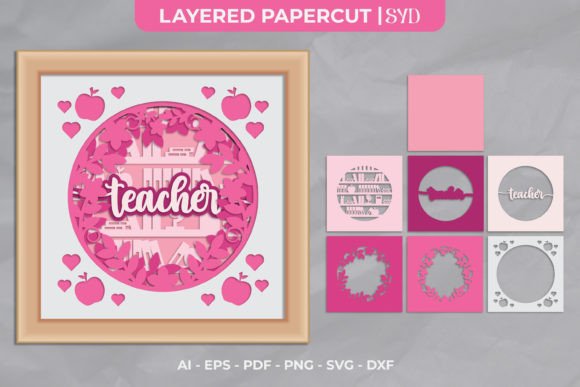
At its core, a Teacher 3D Shadow Box SVG Teacher SVG file is a collection of vector paths designed to be cut or rendered by machines such as Silhouette, Cricut, or compatible cutting plotters. However, for the graphic designer, these files offer more than just physical cutouts; they serve as a blueprint for layered digital compositions. The inclusion of multiple file formats—such as SVG, AI (Adobe Illustrator CS6), EPS, DXF, PDF, and high-quality PNG—ensures compatibility across various design workflows. This versatility allows designers to import the raw vectors into Adobe Illustrator or Affinity Designer, manipulate the layers, adjust color palettes, and integrate them seamlessly into broader brand systems.
The structural integrity of these files is crucial. Unlike raster images that lose quality when scaled, vector-based shadow box designs maintain crisp edges and precise alignments regardless of size. This scalability is essential for applications ranging from small business cards to large-format banners. By utilizing the original vector data, designers can experiment with different typographic treatments, adjust the spacing between layers to control the depth effect, and ensure that the final output aligns with the highest standards of professional presentation.
Practical Applications in Modern Design
The utility of 3D shadow box elements extends across numerous disciplines within graphic design. In branding and logo design, these assets can add a unique dimension to static logos, creating memorable visual identities that resonate with audiences. For marketing materials, such as brochures or flyers, incorporating layered text and icons can break up dense information and improve readability through visual hierarchy.
- Social Media Graphics: Create engaging posts that stand out in feeds by using depth to highlight key messages or promotional offers.
- Packaging Design: Simulate embossed or debossed effects on product labels and boxes, enhancing the unboxing experience.
- Web and UI Design: Use subtle shadow box techniques in headers or call-to-action buttons to create interactive-feeling interfaces.
- Editorial Layouts: Enhance magazine covers or article headers with intricate typography that draws readers in.
Furthermore, these assets are highly effective in merchandise creation. From t-shirts and mugs to tote bags, the clean lines of SVG files ensure that prints are sharp and durable. For educators and school administrators, themed designs featuring academic symbols, books, or classroom icons can foster a sense of community and pride. The ability to customize colors and fonts means that these designs can be tailored to match specific institutional brand guidelines, ensuring consistency across all touchpoints.
Evaluating Quality and Usability
When selecting creative assets, it is imperative to evaluate their technical quality and ease of use. High-resolution source files, such as those provided in AI and EPS formats, allow for non-destructive editing. This means designers can modify anchor points, adjust curves, and refine typography without compromising the integrity of the original design. Additionally, the inclusion of a high-quality PNG provides a ready-to-use option for quick mockups or presentations where vector editing software may not be immediately accessible.
Consistency is another critical factor. A well-designed 3D shadow box element should complement existing brand aesthetics rather than clash with them. Designers should consider the overall composition, ensuring that the added depth enhances the message rather than distracting from it. Proper alignment and spacing between layers are vital to achieving a polished look. Too much depth can make a design appear cluttered, while too little may fail to deliver the intended impact. Experimentation is key, but starting with a solid, pre-structured asset like the Teacher 3D Shadow Box SVG Teacher SVG provides a reliable foundation for creativity.
Ultimately, the value of these design resources lies in their ability to streamline the creative process while elevating the final output. By integrating high-quality, versatile vector assets into your workflow, you can produce designs that are not only visually striking but also technically robust. This attention to detail reinforces professionalism and builds trust with your audience. In a world where first impressions are often digital, investing in superior design elements ensures that your communication is clear, compelling, and memorable. Thoughtful design choices, supported by the right tools, transform simple ideas into powerful visual narratives that leave a lasting impact.