The Art of Depth: Creating Stunning Butterfly Folk Art 3D Shadow Boxes
In the world of paper crafts, few mediums offer the same blend of delicate beauty and structural intrigue as shadow boxing. While traditional paper cutting is a flat art form, adding depth transforms a simple silhouette into a dynamic piece of visual storytelling. Among the most popular designs for this technique is the Butterfly Folk Art 3D Shadow Box. This layered, square paper-cutting template captures the ethereal grace of spring through intricate geometric patterns, offering crafters a project that is both meditative to create and striking to display.
Whether you are a seasoned papercraft enthusiast or a beginner looking to explore digital cutting files, understanding how to assemble and appreciate these multi-layered designs can elevate your creative output. This guide explores the significance of folk art in modern crafting, the technical specifications of the Butterfly Folk Art 3D SVG, and practical tips for bringing this design to life.
Understanding the Butterfly Folk Art 3D Shadow Box
Folk art has long served as a mirror to cultural heritage, often characterized by its use of natural motifs, bold patterns, and accessible materials. The butterfly, a universal symbol of transformation, rebirth, and the fleeting nature of beauty, is a staple in folk art traditions worldwide. When translated into a 3D shadow box format, the butterfly ceases to be just a drawing; it becomes an object with presence.
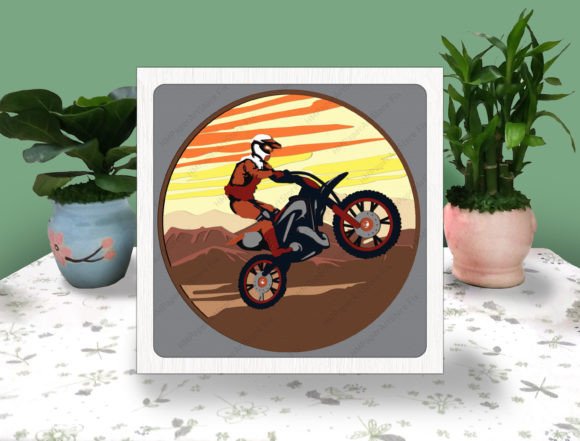
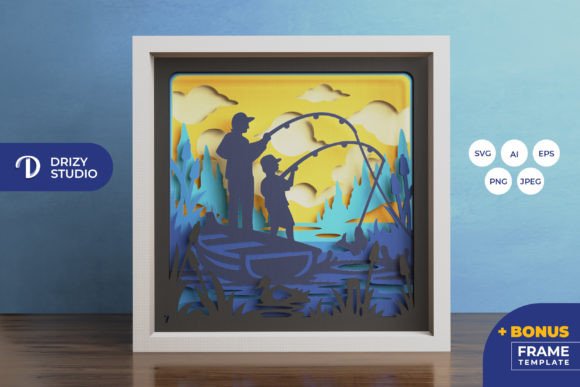
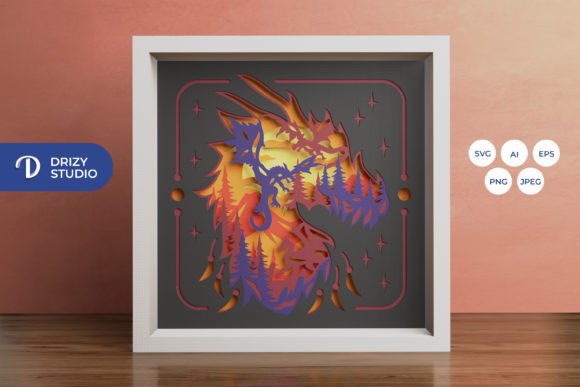
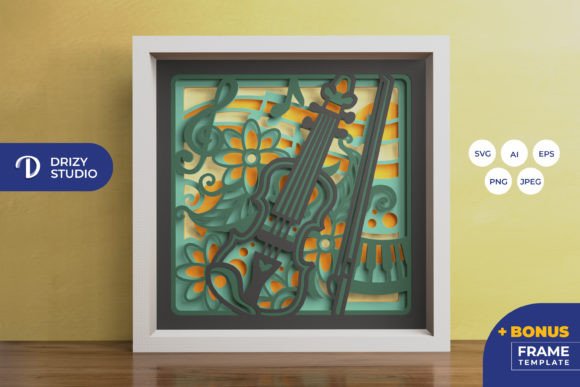
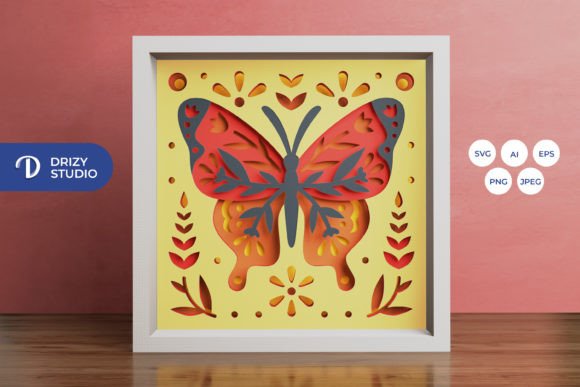
The specific design known as the Folk Art Spring 3D SVG utilizes a layered approach. Instead of a single sheet of paper, the design is composed of six distinct layers. Each layer contains a portion of the overall image—wings, body, antennae, and decorative background elements—that aligns perfectly when stacked. This creates a parallax effect, where the viewer’s eye perceives depth and dimensionality, mimicking the way we see objects in real life.
This style of crafting bridges the gap between traditional handicrafts and modern digital fabrication. By using vector graphics (SVG), artists can scale these intricate folk patterns without losing the sharpness of the cut lines, ensuring that even the smallest details of the butterfly’s wings remain crisp and clear.
Technical Specifications and File Formats
For those ready to embark on this project, the digital assets provided are designed for maximum compatibility and precision. The Butterfly Folk Art 3D Shadow Box template is available in several formats to suit different workflows:
- SVG (Scalable Vector Graphics): This is the primary file type for digital cutting machines like Cricut and Silhouette. It allows for infinite resizing while maintaining aspect ratio, which is crucial for keeping the design proportional.
- AI and EPS: Ideal for professional designers who need to edit the vector paths in Adobe Illustrator or CorelDRAW before sending them to a cutter.
- PNG and JPEG: High-resolution raster images (714 x 714 px for PNG, 3000 x 2000 px for JPEG) are included for preview purposes or for those who prefer to print and hand-cut the design.
The final assembled size of the shadow box is approximately 20.32 × 20.32 cm (roughly 8 inches). This square format is versatile, fitting easily into standard frames or lightbox structures. It is large enough to showcase the detail of the folk art pattern but compact enough to serve as a meaningful gift or a subtle home decor accent.
Tools and Materials Needed
One of the beauties of this project is its accessibility. You do not need a professional studio to create a museum-quality shadow box. However, having the right tools will significantly impact the ease of assembly and the final finish.
Cutting Tools
If you own a digital cutting machine such as a Cricut or Silhouette, the process begins here. These machines can handle the precision required for the 6-layer alignment. They ensure that every curve of the wing and every dot of the folk pattern is cut with laser-like accuracy.
For those without electronic cutters, manual cutting is entirely feasible. A sharp craft knife (such as an X-Acto blade) and a self-healing cutting mat are essential. Alternatively, high-quality scissors can work for larger curves, though a knife is recommended for the intricate inner cuts typical of folk art styles. Patience is key when cutting by hand; taking your time ensures clean edges that stack neatly.
Assembly Supplies
To build the 3D effect, you need to separate the layers. Common methods include:
- Double-sided foam tape: This is the preferred method for shadow boxes because it provides consistent spacing between layers, creating a uniform depth.
- Glue dots: Another excellent option that holds firmly without warping the paper.
- Standard glue: Liquid glue can be used, but care must be taken to avoid soaking the paper, which can cause buckling.
You will also need a backing board (cardstock or foam core) and a frame or a custom-built box structure to house the layers.
Creative Variations: From Wall Decor to Lightboxes
While the traditional shadow box relies on ambient light to cast shadows and reveal depth, this design offers exciting opportunities for innovation. The layered nature of the Butterfly Folk Art 3D Shadow Box makes it an ideal candidate for conversion into a lightbox.
By inserting LED strip lights between the layers or behind the entire stack, the translucent quality of the paper can be highlighted. The light filters through each layer, turning the butterfly into a glowing beacon. This variation adds a magical, warm glow to any room, making it perfect for nurseries, bedrooms, or evening ambiance. The contrast between the dark background layers and the illuminated foreground creates a dramatic, modern aesthetic that still honors the traditional folk art roots of the design.
Furthermore, experimenting with paper colors can change the mood of the piece. While spring themes often evoke pastels like soft pinks, yellows, and greens, using monochromatic schemes (e.g., all white or all black) can result in a sophisticated, minimalist look. Conversely, vibrant, contrasting colors can make the design pop with energy and joy.
Common Misconceptions and Tips for Success
Beginners often assume that 3D papercraft requires advanced mathematical skills or expensive equipment. In reality, the Butterfly Folk Art 3D SVG simplifies this by providing pre-aligned layers. However, there are a few common pitfalls to avoid:
- Ignoring Aspect Ratio: When resizing the SVG file in your software, always maintain the original aspect ratio. Distorting the width or height independently will misalign the layers, causing the butterfly to look "off" or broken.
- Rushing Alignment: Before gluing everything down, dry-fit the layers. Use a pin or a small piece of tape to hold them together temporarily. Check the alignment from multiple angles to ensure the wings match up perfectly across all six layers.
- Overlooking Paper Quality: The thickness and weight of the paper matter. Standard printer paper may be too thin to hold its shape or may tear easily during cutting. Cardstock (between 65lb and 110lb) is generally recommended for durability and opacity.
Additionally, remember that the final product color may vary slightly due to lighting sources and the specific brand of paper used. Digital previews are for illustration purposes only; the true charm of the project lies in the tactile experience of selecting your own materials.
Why Choose Butterfly Folk Art for Your Home?
In an era of mass-produced decor, handmade items carry a unique value. A 3D shadow box is not just a decoration; it is a testament to patience and skill. It serves as a conversation starter and a reminder of the beauty found in nature. The butterfly motif resonates deeply with many, symbolizing personal growth and the beauty of transition.
Making this shadow box also makes for a thoughtful, personalized gift. Whether for a friend celebrating a new beginning, a family member who loves gardening, or a teacher appreciating creativity, a handmade 3D butterfly box carries emotional weight that store-bought items cannot match.
Conclusion
The Butterfly Folk Art 3D Shadow Box is more than just a collection of cut paper shapes; it is an invitation to slow down and engage with the creative process. With its versatile file formats compatible with both digital cutters and manual tools, it offers flexibility for crafters of all levels. By mastering the layering technique, you unlock the potential to create stunning wall art, interactive lightboxes, and heartfelt gifts.
So, gather your tools, select your favorite papers, and get ready to bring this spring-inspired masterpiece to life. The journey from a flat digital file to a three-dimensional work of art is rewarding, resulting in a tangible piece of beauty that brightens any space.