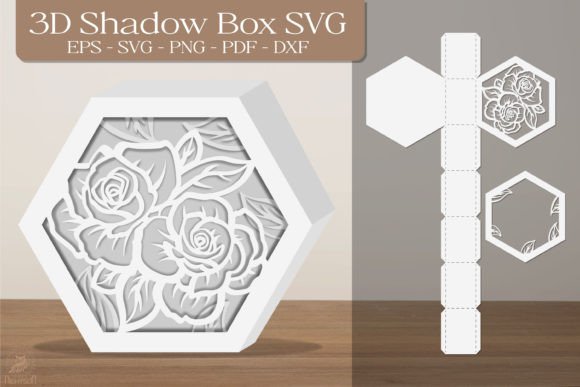
Rose Flower 3D Shadow Box Papercut
At its core, the Rose Flower 3D Shadow Box Papercut is a digital design file intended for laser cutting or vinyl plotting. Unlike standard flat vector graphics, this specific asset is engineered to create depth and dimensionality. When cut from layers of cardstock, foam board, or acetate, these files allow individual petals and leaves to stack upon one another, casting subtle shadows that mimic the organic complexity of a real bloom. It is not merely a picture of a rose; it is a structural blueprint for a physical object that captures light and space in three dimensions.
The value of this file lies in its versatility. Whether you are looking to add a touch of elegance to a home decor project, create a unique keepsake for a wedding, or produce a high-end product for an online store, the underlying geometry of the design remains the same. However, the way different users interact with those files varies significantly based on their goals, skill sets, and end-use cases.
Understanding the File Ecosystem
One of the most critical aspects of any digital craft asset is what exactly is included in the package. A robust offering like the Rose Flower 3D Shadow Box Papercut typically provides multiple formats to ensure compatibility across various machines and software environments. This multi-format approach is essential because no two creators work in identical workflows.
- SVG (Scalable Vector Graphics): This is the industry standard for modern laser cutters and Cricut/Silhouette plotters. It allows for easy scaling without losing resolution, making it ideal for beginners who need straightforward instructions for their cutting machines.
- Ai CS6 & EPS: These Adobe Illustrator formats are crucial for professional designers and graphic artists. They offer full editability, allowing users to adjust line weights, modify curves, or integrate the rose motif into larger branding projects before sending them to production.
- PNG (Portable Network Graphics): Provided in high quality, these raster images serve as visual references or templates for hand-cutting projects where digital precision is not required. They help visualize the final layered effect before committing to expensive materials.
- PDF & DXF: PDFs act as universal guides for assembly and layering order, while DXF files are often preferred by older laser cutting software or CNC routers that may not fully support SVG nuances.
Having access to all these formats means the user is not locked into a single ecosystem. A hobbyist might only use the SVG, while a small business owner preparing for mass production will rely on the AI and DXF files to ensure consistency across different cutting beds and machine types.
Priorities for Different Creators
When evaluating a design asset, priorities shift depending on who is holding the mouse—or the laser cutter. For a beginner hobbyist, ease of use is paramount. They need clear layering instructions and files that cut cleanly without excessive nesting errors. The presence of a well-organized PDF guide can make the difference between a frustrating afternoon and a successful project. For these users, the aesthetic appeal of the finished rose is the primary driver.
In contrast, experienced professionals and entrepreneurs view the same file through a lens of efficiency and commercial viability. They are less concerned with the initial learning curve and more focused on how quickly they can iterate on the design. A professional might use the Ai CS6 file to tweak the petal thickness to suit a specific brand’s color palette or material constraints. They evaluate the file based on its flexibility—can it be easily modified? Does it scale well for both keychain-sized charms and large wall art?
Educators and workshop leaders find value in the educational aspect of the design. The 3D shadow box concept teaches principles of negative space, layering, and structural integrity. By using the Rose Flower 3D Shadow Box Papercut in a classroom setting, instructors can demonstrate how digital designs translate into physical reality. The variety of file formats ensures that students using different software programs can still participate in the lesson without technical barriers.
Practical Applications Across Industries
The utility of this papercut extends far beyond simple decoration. Marketers and bloggers might utilize the design for content creation, such as writing tutorials on paper crafting techniques or showcasing DIY gift ideas. The visual richness of a 3D rose makes for compelling photography, which is essential for social media engagement. In this context, the file is a tool for content generation rather than just a craft supply.
For small business owners, particularly those selling on platforms like Etsy or at local craft fairs, the file represents inventory potential. A 3D shadow box rose can be priced higher than a flat greeting card due to the perceived craftsmanship involved. Entrepreneurs look for designs that stand out in a crowded marketplace. The intricate detail of a multi-layered rose offers a premium feel that appeals to consumers looking for luxury gifts for anniversaries, weddings, or corporate events.
Even consumers who do not cut the paper themselves benefit from the existence of such detailed files. They drive demand for services. Many people prefer to buy the finished product from a maker rather than attempting the build themselves. By supporting creators who use high-quality assets like the Rose Flower 3D Shadow Box Papercut, consumers encourage a market that values precision and artistic effort over mass-produced, generic alternatives.
Evaluating Quality and Long-Term Use
When deciding whether to incorporate this design into your workflow, consider the long-term usefulness of the asset. Digital files are durable goods; once purchased, they can be used indefinitely. Therefore, the quality of the vector paths is critical. Jagged lines or poorly joined nodes can lead to broken cuts, wasted material, and damaged blades. High-quality files ensure smooth operation and consistent results every time.
Furthermore, think about the creative freedom the file affords. While the base design is fixed, the medium is not. You can experiment with translucent vellum for petals, metallic foils for accents, or textured kraft paper for a rustic look. The ability to mix materials adds a layer of customization that generic clipart cannot match. This flexibility is what separates a disposable template from a valuable creative resource.
Ultimately, the decision to use the Rose Flower 3D Shadow Box Papercut depends on your specific needs. If you seek a reliable, versatile, and visually striking design that supports a wide range of applications—from personal hobbies to commercial ventures—it offers significant value. It bridges the gap between digital convenience and tactile artistry, allowing you to bring a timeless symbol of beauty into the physical world with precision and grace.