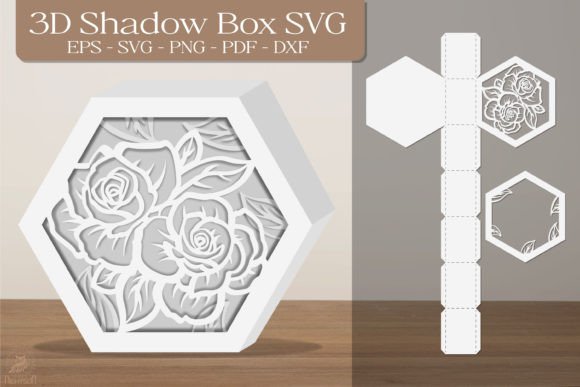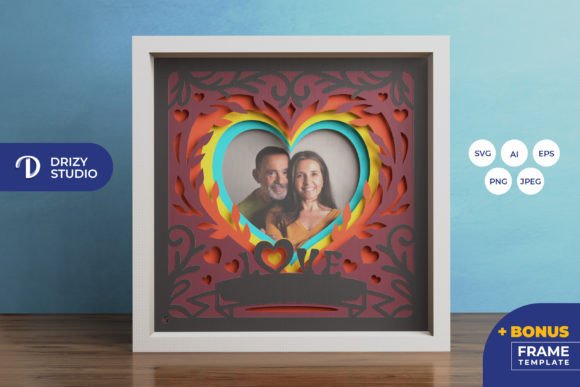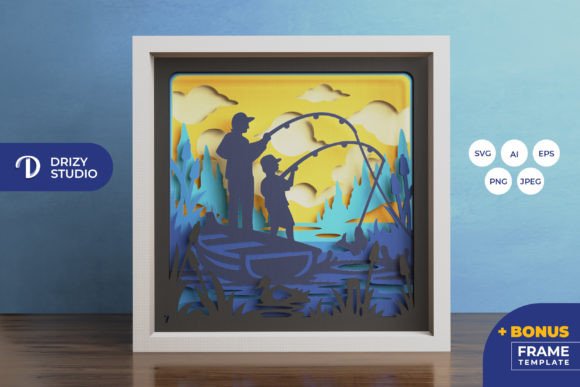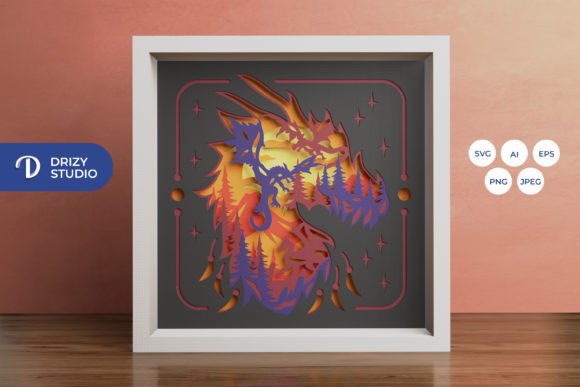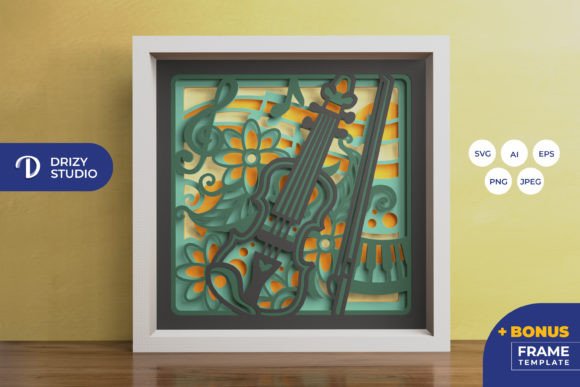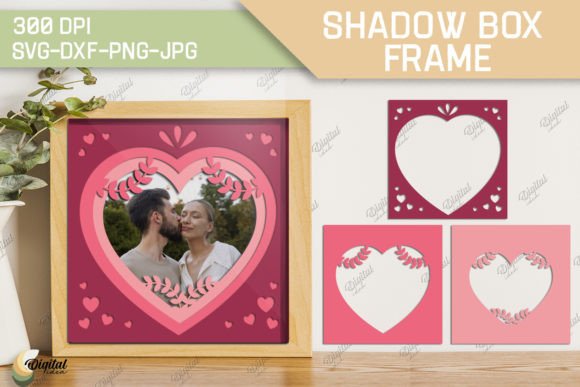
Shadow Box Frame. 3D Shadow Box Papercut
In the realm of home decor and creative expression, there is a distinct difference between flat imagery and objects that possess depth, texture, and dimension. For years, artists and hobbyists have sought ways to bring their two-dimensional designs into the third dimension, transforming simple paper cutouts into immersive visual experiences. This is where the concept of the Shadow Box Frame. 3D Shadow Box Papercut becomes particularly relevant. It represents not just a product, but a methodology for creating original, layered art that captures light and shadow in dynamic ways.
Whether you are a seasoned crafter looking to elevate your portfolio or a business owner aiming to add unique flair to your office space, understanding the mechanics and potential of 3D papercut art is essential. The following guide explores what this medium entails, how it functions, and why it has become a popular choice for both personal projects and professional installations.
Understanding the Medium: Depth Beyond the Canvas
Traditional framing often involves placing a flat image behind glass within a shallow frame. While effective for photographs or posters, this method lacks tactile presence. A shadow box, by definition, is a deep frame designed to hold three-dimensional objects. When combined with precision-cut paper layers, the result is a Shadow Box Frame. 3D Shadow Box Papercut that creates an illusion of infinite depth.
The technique relies on layering. By stacking multiple sheets of paper, each cut with specific details, and spacing them apart using spacers or adhesive foam, the artist creates distinct planes of focus. Light passing through these layers casts subtle shadows, adding realism and drama to the scene. This interplay of light and dark is what gives the artwork its "shadow box" character, making static images appear alive and breathing.
The Digital Advantage
Historically, creating such intricate layered designs required manual drafting and cutting, a process that was time-consuming and prone to error. Today, digital fabrication has revolutionized this craft. The availability of high-resolution vector files allows creators to produce perfectly aligned layers with surgical precision. This shift from physical sketching to digital design means that complex scenes—such as cityscapes, forests, or intricate portraits—can be replicated exactly, ensuring consistency across multiple pieces.
What You Receive: A Complete Creative Toolkit
For those interested in producing their own Shadow Box Frame. 3D Shadow Box Papercut, the modern approach offers unprecedented convenience. Rather than purchasing pre-made kits that may limit customization, many creators now offer comprehensive digital packages. These packages are designed to empower the user with full control over the final output.
When engaging with a digital product of this nature, it is important to understand the deliverables. Typically, a purchase includes a zip folder containing the designs in multiple file formats. This variety ensures compatibility with various cutting machines and software programs:
- SVG (Scalable Vector Graphics): Ideal for vector-based editing software like Adobe Illustrator or Inkscape. SVGs allow for resizing without loss of quality, which is crucial when adjusting the scale of your shadow box.
- DXF (Drawing Exchange Format): Widely supported by laser cutters and vinyl cutters, this format is essential for users who rely on automated cutting tools.
- EPS (Encapsulated PostScript): Another robust vector format compatible with professional design suites, offering high-fidelity reproduction of complex paths.
- PDF (Portable Document Format): Useful for viewing the design layout and for printing directly if you prefer hand-cutting or basic printer-based cutting.
- JPEG and PNG: Raster image formats that serve as visual references. These help you visualize the color palette and overall composition before cutting.
Please note: This is strictly a digital product. No physical goods will be sent. The photos displayed are intended only for inspiration to show you the potential of the design. What you receive is the raw data needed to create your own masterpiece.
Practical Applications and Use Cases
The versatility of the Shadow Box Frame. 3D Shadow Box Papercut extends far beyond simple wall decoration. Its ability to convey narrative and atmosphere makes it suitable for a wide array of contexts.
Home Decor and Personalization
At home, these frames can serve as focal points in living rooms, bedrooms, or hallways. Because the designs are digital, you can customize colors to match your interior scheme. Imagine a 3D forest scene in muted greens and browns for a serene bedroom, or a vibrant cityscape in neon tones for a modern studio apartment. The depth adds a layer of sophistication that flat prints cannot achieve.
Corporate Branding and Office Design
Business owners often struggle to make office spaces feel welcoming yet professional. A large-scale Shadow Box Frame. 3D Shadow Box Papercut featuring company logos, industry-related icons, or abstract geometric patterns can reinforce brand identity while adding artistic value. Unlike temporary banners, these are durable, long-lasting installations that signal attention to detail and creativity.
Events and Weddings
Wedding planners and event coordinators frequently use layered paper art for backdrops, photo booth props, or table centerpieces. The lightweight nature of paper makes it easy to transport and set up, while the 3D effect provides excellent photo opportunities. Guests are drawn to the visual complexity, often spending more time interacting with the display.
Educational Tools
In educational settings, 3D papercuts can illustrate biological structures, historical landmarks, or geographical features. Students can assemble the layers themselves, gaining a hands-on understanding of spatial relationships and anatomy. This tactile learning experience reinforces concepts better than textbook diagrams alone.
Evaluating Suitability: Is This Right for You?
Before embarking on a project involving a Shadow Box Frame. 3D Shadow Box Papercut, it is helpful to assess your resources and goals. While the digital files provide the design, the physical assembly requires certain considerations.
Equipment Requirements
To achieve the best results, you will need access to a cutting machine. Cricut, Silhouette, and laser cutters are the most common tools used. If you do not own one, local print shops or maker spaces often offer cutting services for a fee. Additionally, you will need a shadow box frame deep enough to accommodate the number of layers you plan to use. Standard picture frames are usually too shallow; look specifically for "shadow box" frames with depths of at least 1-2 inches.
Material Selection
The choice of paper affects the final look. Cardstock is the most popular choice due to its stiffness and ease of handling. However, thinner papers like vellum can create ethereal, glowing effects when backlit. Heavier materials like foam board or acrylic can also be used for larger installations, though they require different cutting techniques.
Time and Patience
Assembling a multi-layered shadow box is a meditative process. It involves carefully removing tiny cut pieces, aligning layers, and securing them in place. While the digital files streamline the cutting phase, the assembly demands patience and precision. Rushing this step can lead to misaligned layers, which disrupts the depth illusion.
Maximizing Value and Creativity
One of the greatest strengths of the digital Shadow Box Frame. 3D Shadow Box Papercut model is the endless possibility of creation. Once you have mastered the basic assembly, you can experiment with lighting. Adding LED strips behind or within the layers can transform a daytime piece into a glowing night scene. This adaptability ensures that your artwork remains fresh and engaging over time.
Furthermore, because the source files are yours to keep, you can reprint them if mistakes occur or if you wish to create variations. You might change the color scheme for different seasons or update a design to reflect new trends. This ownership aspect provides long-term value that exceeds the initial purchase price.
Final Thoughts on Your Creative Journey
Creating art with depth is a rewarding endeavor that bridges the gap between traditional crafts and modern technology. The Shadow Box Frame. 3D Shadow Box Papercut offers a structured yet flexible framework for bringing your ideas to life. By leveraging high-quality digital files and thoughtful assembly techniques, you can produce stunning visuals that captivate viewers.
If you have questions about file compatibility, cutting settings, or assembly tips, do not hesitate to reach out. Many creators welcome feedback and are happy to assist buyers in troubleshooting issues. Engaging with the community can enhance your experience and inspire new ideas.
Happiness in crafting comes from the process itself. Take your time, enjoy the precision of the cuts, and marvel at how simple sheets of paper can come together to form a rich, dimensional world. Thank you for visiting my store, and I wish you a happy shopping experience as you begin your journey into the world of 3D papercut art.